Use Common Sense
A quiet paper for thinking that lasts — rooted like an oak, written for understanding across borders and for human dignity.
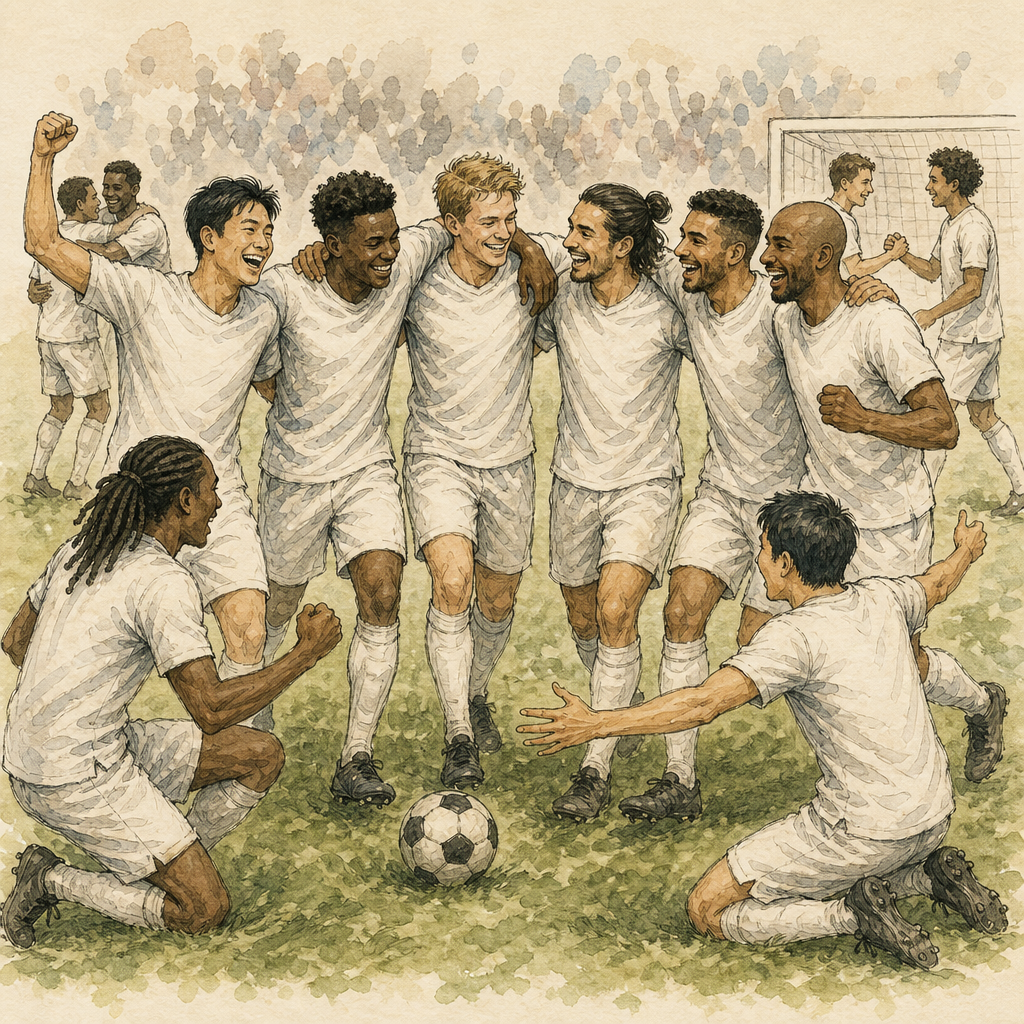
The Shared Pitch, the Shared Ballot
As Taiwan and Spain vote and Israel's rivals discuss sharing power, football's oldest trick — fierce rivalry without hatred — still has something to teach politics about living inside the same rules.
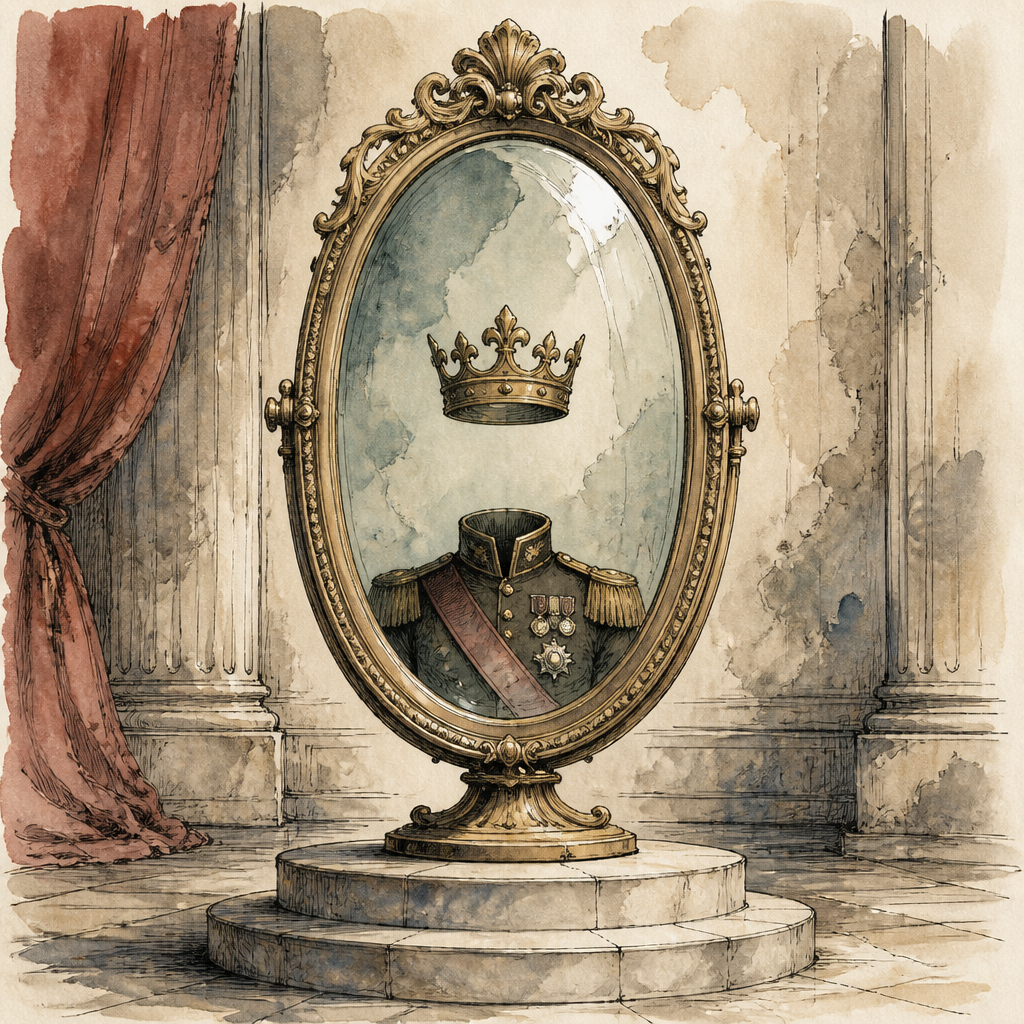
A Mirror for Strongmen, and Why They Keep the Lights Off
When democracies argue, recount, and stall, they are doing something authoritarian certainty cannot afford to do: looking at themselves.
FIFA's Parliament of Two Hundred and Eleven: Democracy, or Its Costume?
FIFA has more member nations than the United Nations and gives each one an equal vote, which raises an old question in new boots: does counting votes make an organisation democratic, or only dressed as one?

The Grind, the Dance, and the Benefit of the Doubt
Before we call someone lazy, we might ask what door they were offered — and whether it was ever really open.
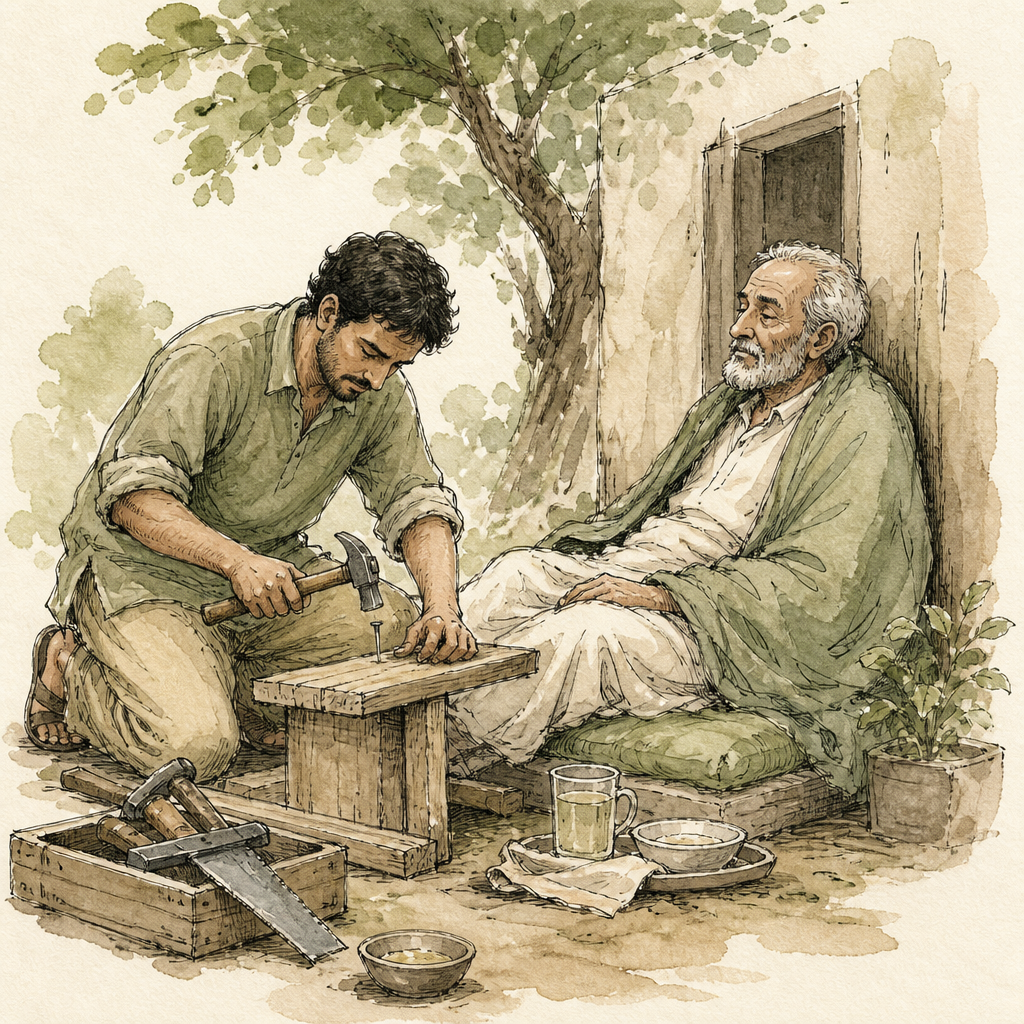
The Judge's Robe and the Teacher's Scarf
Canada's top court has mostly upheld Quebec's ban on religious symbols for public servants, which is a fine moment to ask what neutrality actually requires of a free person.
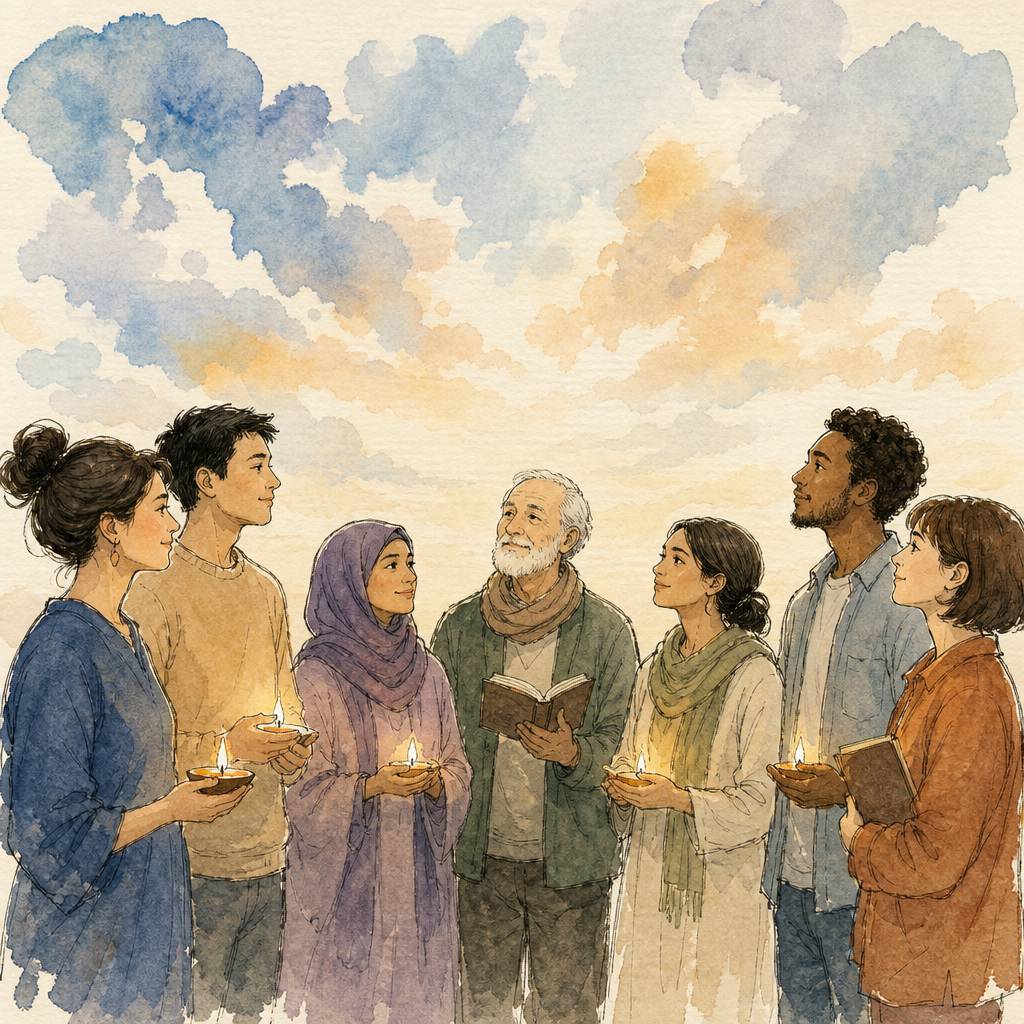
Article 5 Is a Promise, Not a Mood
When the guarantor's gaze wanders to the Middle East, the Baltic states are left wondering whether a treaty clause is a wall or a weather forecast.
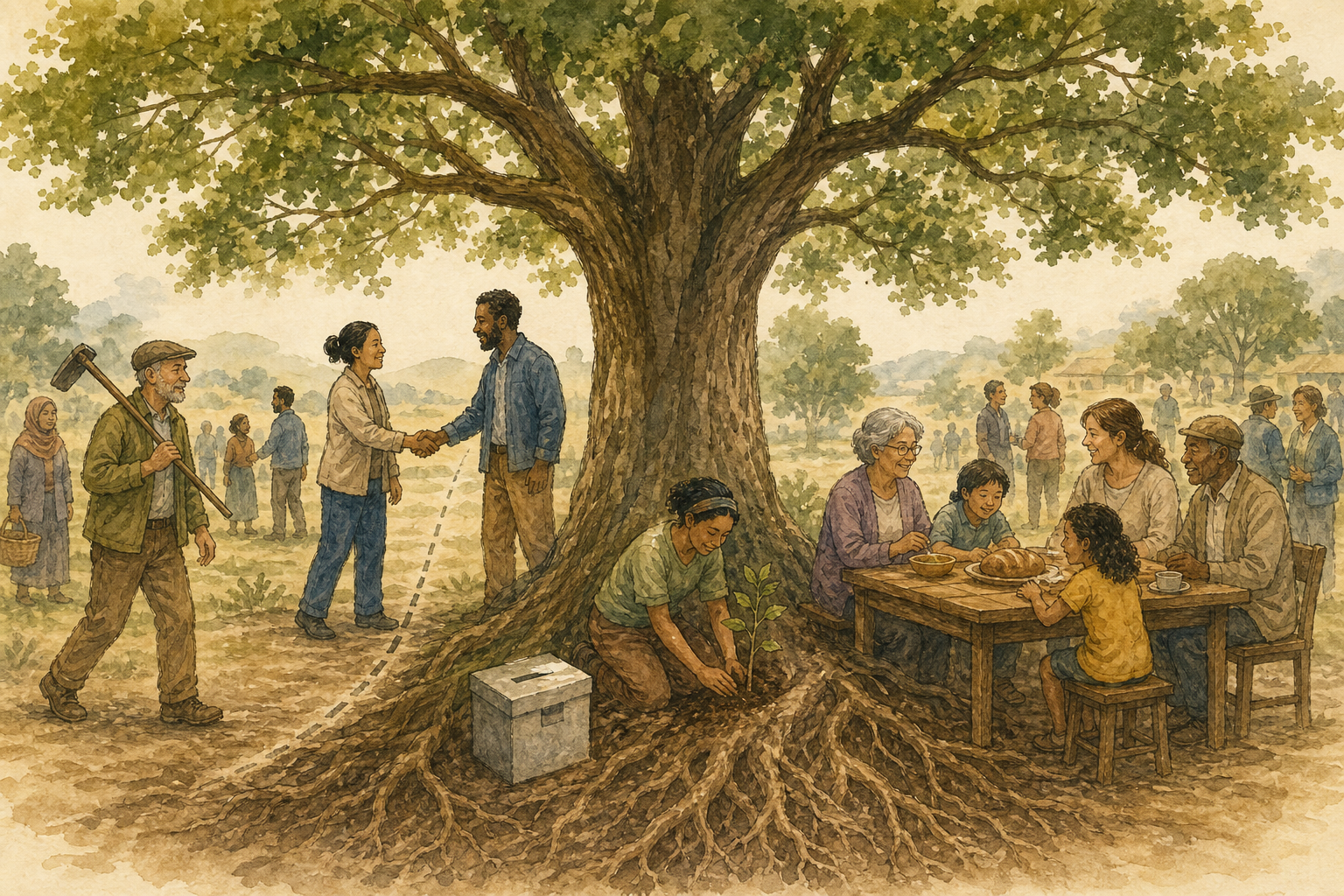
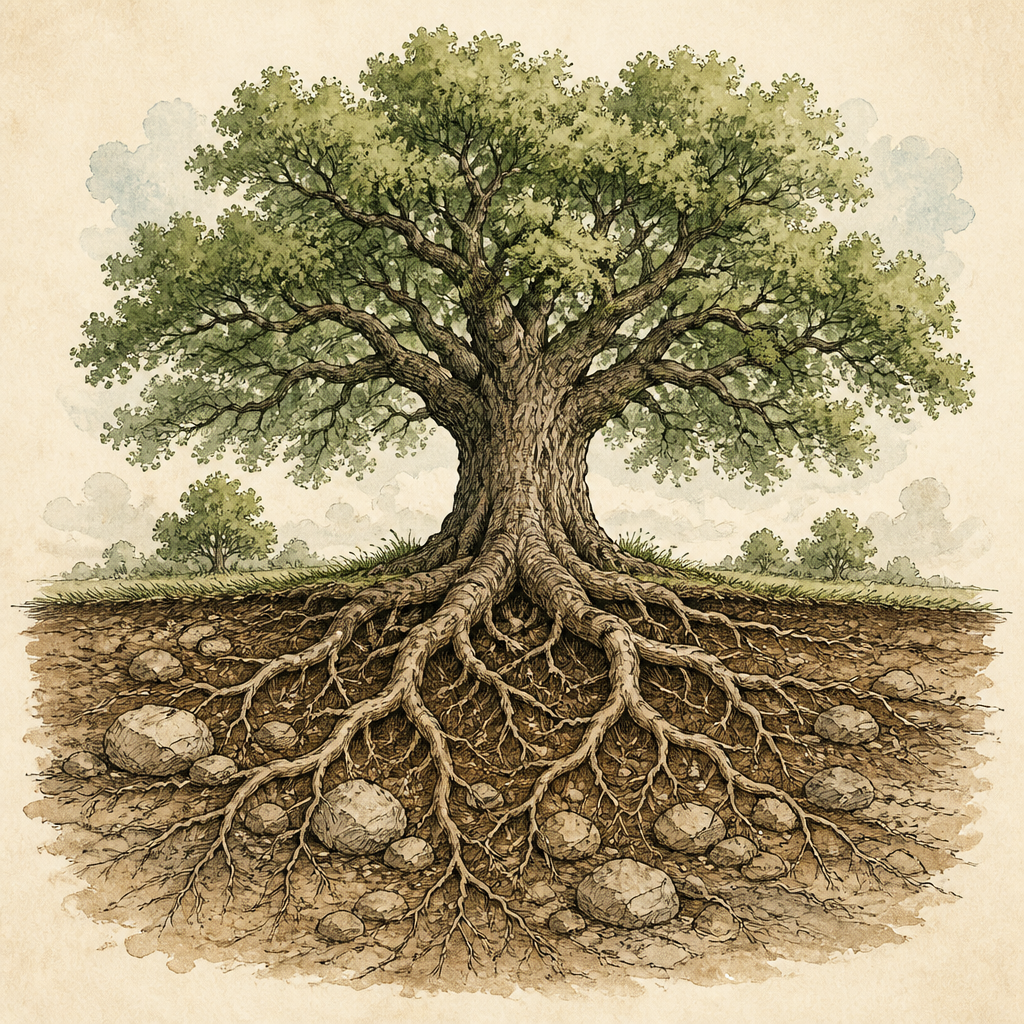
The Oak Does Not Apply for Asylum Overnight
Some things in public life must grow slowly, year ring by year ring, and this week's headlines are a quiet lesson in what happens when we forget that.
A Second Table in Monrovia, an Empty Chair in Eswatini
As a borrowed Thanksgiving keeps thriving on one coast of Africa, a government an ocean away proves that hospitality, like cruelty, is a policy choice rather than a matter of geography.
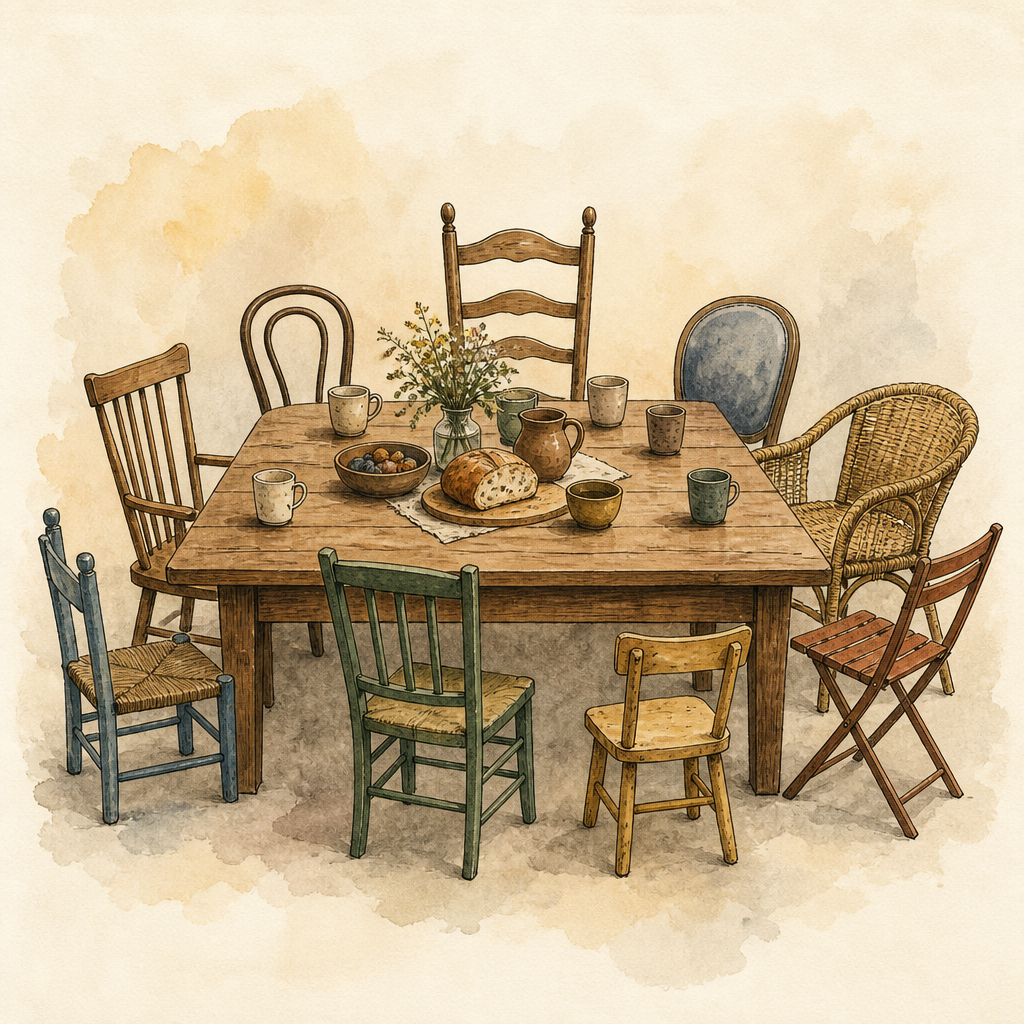
What Counts as a Contribution
On a day when Russia counts its own dead by the hundreds of thousands, it is worth asking what a society owes the people it asks to give everything.
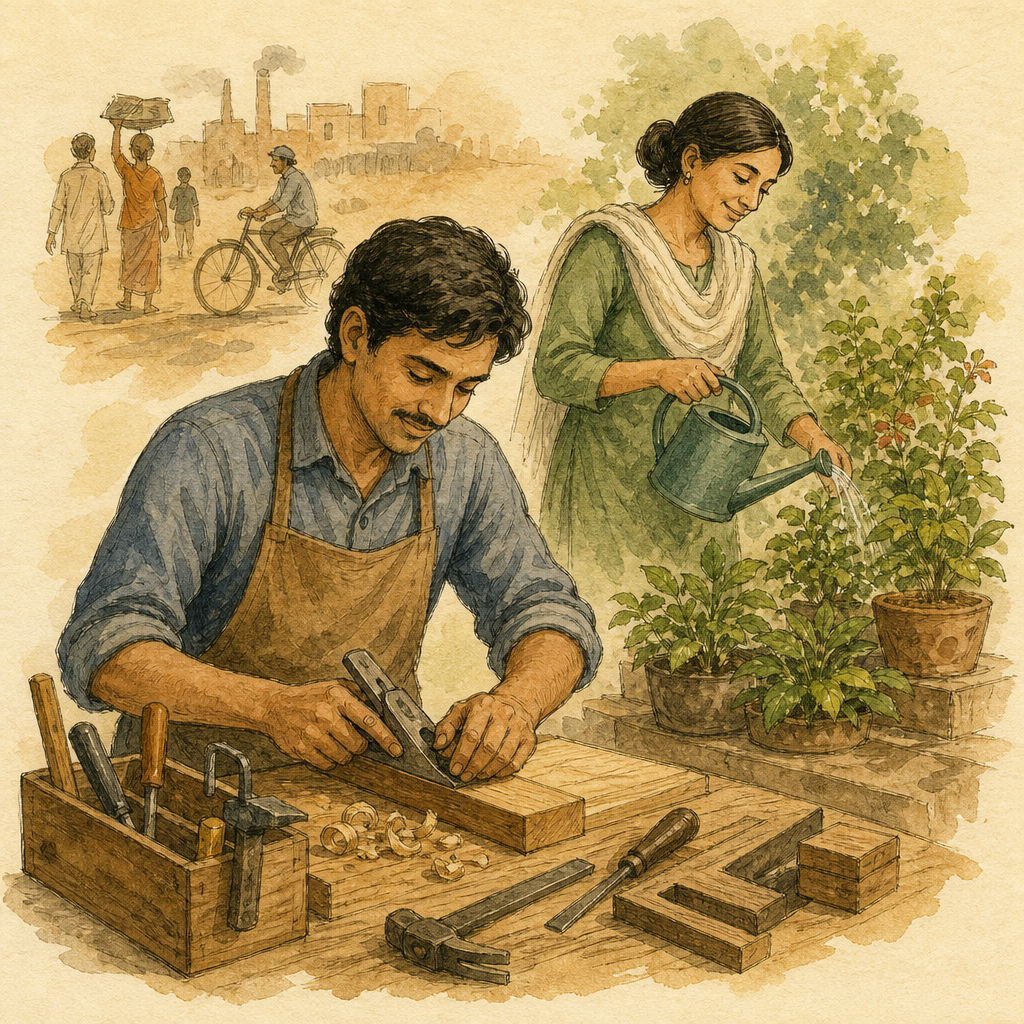
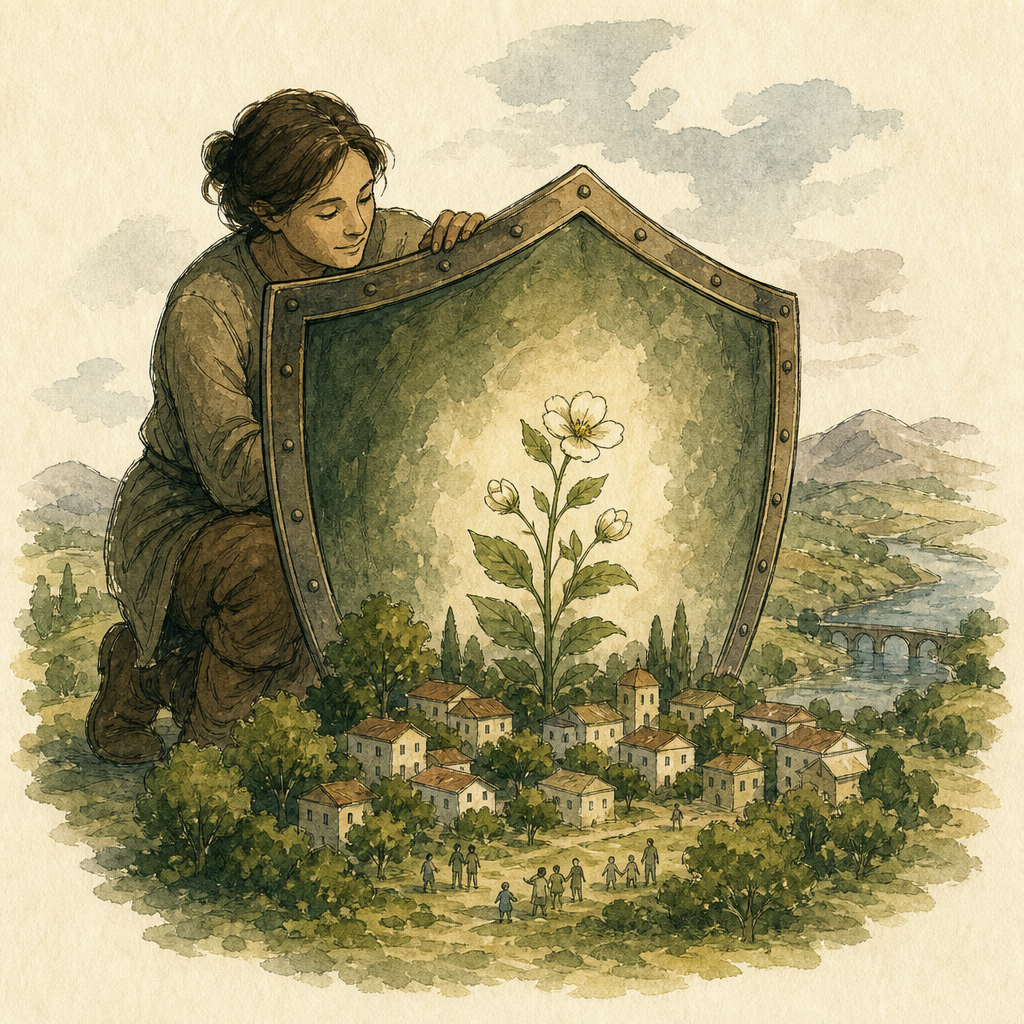
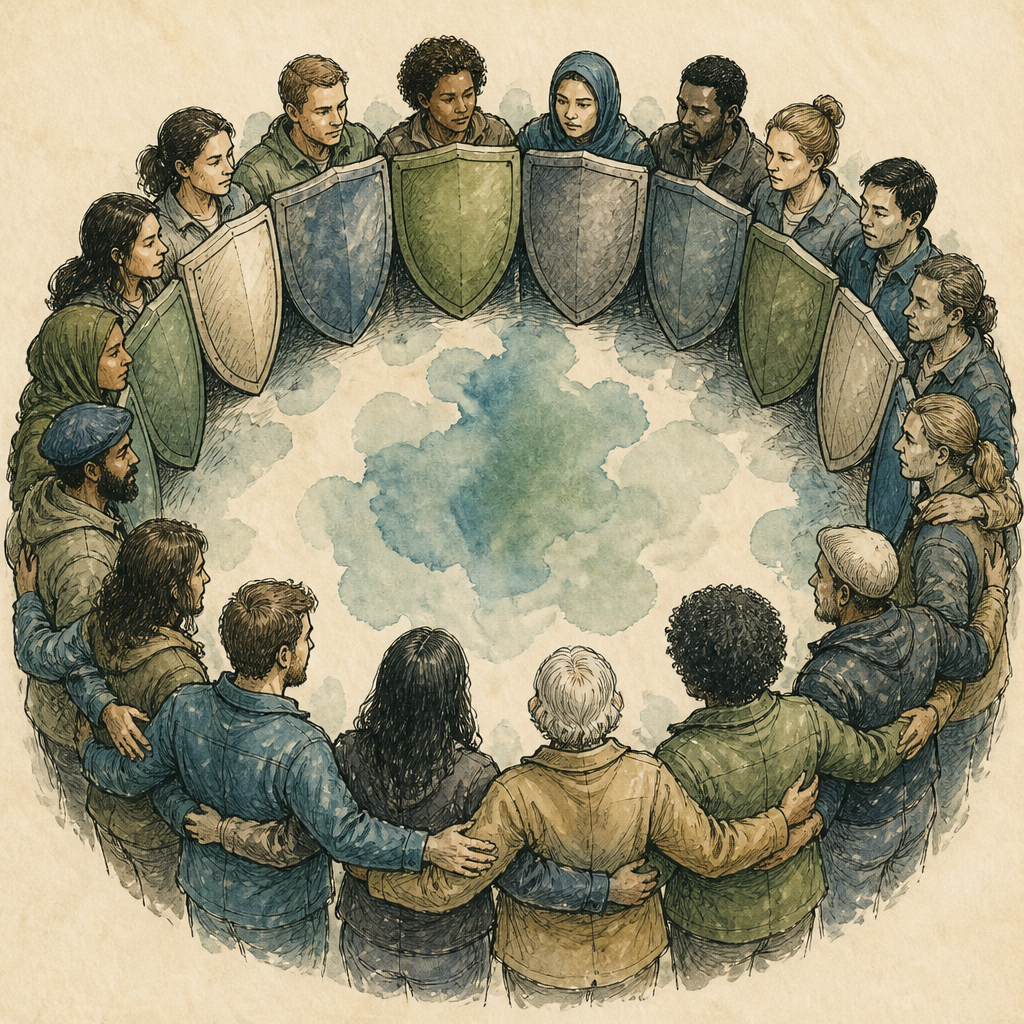
Five Hundred Thousand Graves and the Difference Between a Shield and a Spear
When a government's own figures admit to nearly half a million dead, and its mercenaries are dying in Mali while its warships sink off Libya, the question for democracies is not whether to arm themselves but what, exactly, they are arming for.